


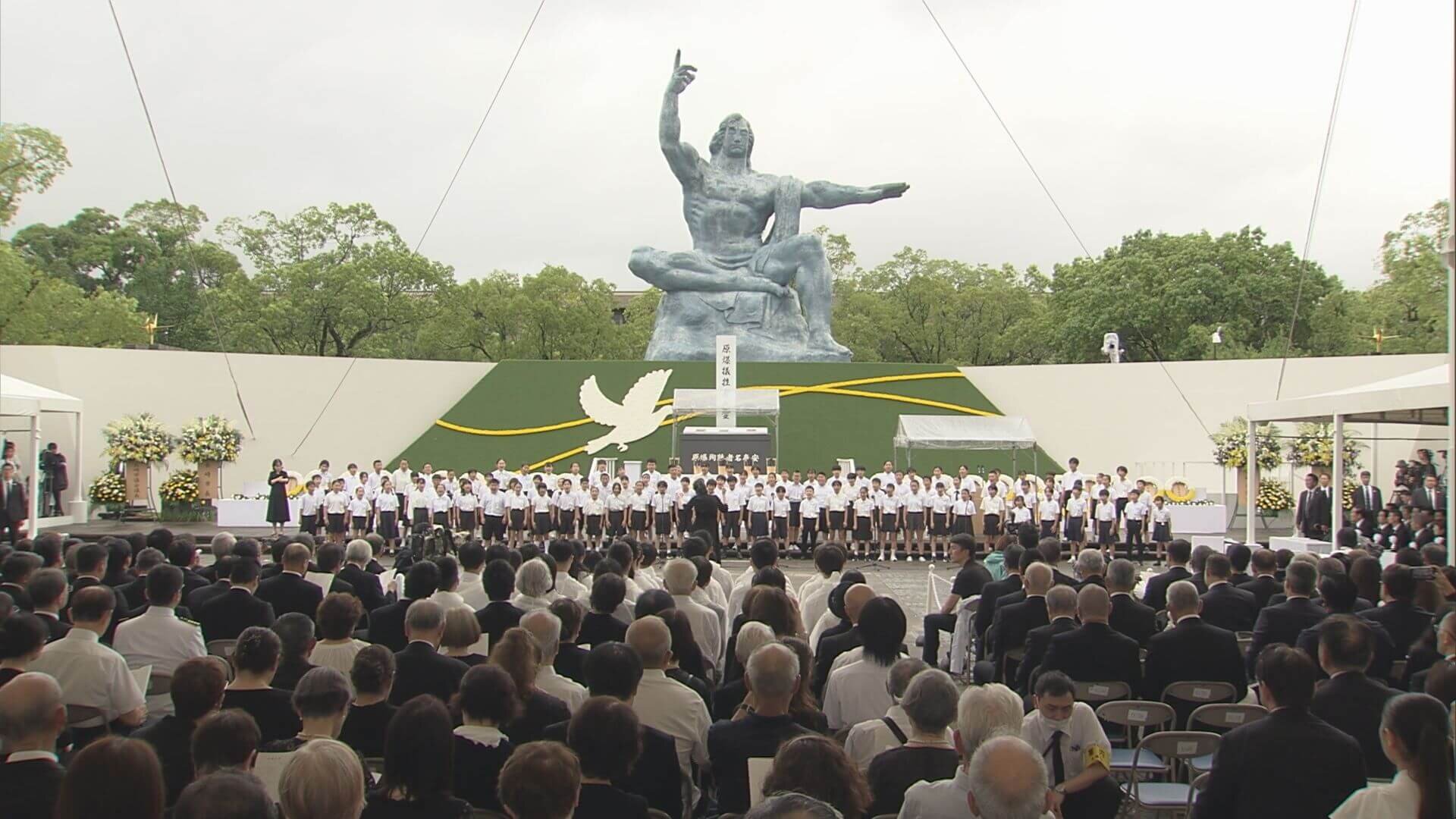
▽平和公園から「被爆81周年長崎原爆犠牲者慰霊平和祈念式典」を生中継
▽原爆投下から81年。高齢化する被爆者の思いを聞く
▽今年もすべての国・地域に招待状 過去最多の参加
▽「平和宣言」を長崎市の鈴木市長が読み上げ
▽核保有国・核の傘国、そして紛争・戦争中の国々に長崎からのメッセージ
▽「平和への誓い」は長崎の被爆者・本村チヨ子さん
▽ゲストは89歳の被爆者・山川剛さん。被爆者の平均年齢が86.66歳と高齢化が進む中、今春、山川さんは「語り部」を卒業。「被爆者のいない時代の始まり」に被爆者がどうしても伝え残したいことは-山川さんの言葉に耳を傾ける
放送日
2026年8月9日(日) 午前10時~
出演者
- 吉井誠・円田智子・本田舞(KTNアナウンサー)
- ゲスト:山川剛(被爆者)・浅野英男さん(「核兵器をなくす日本キャンペーン」コーディネーター)
スタッフ
- プロデューサー:赤木健一郎
- ディレクター:橋場紀子・増田潤一郎
- 制作・著作:KTNテレビ長崎
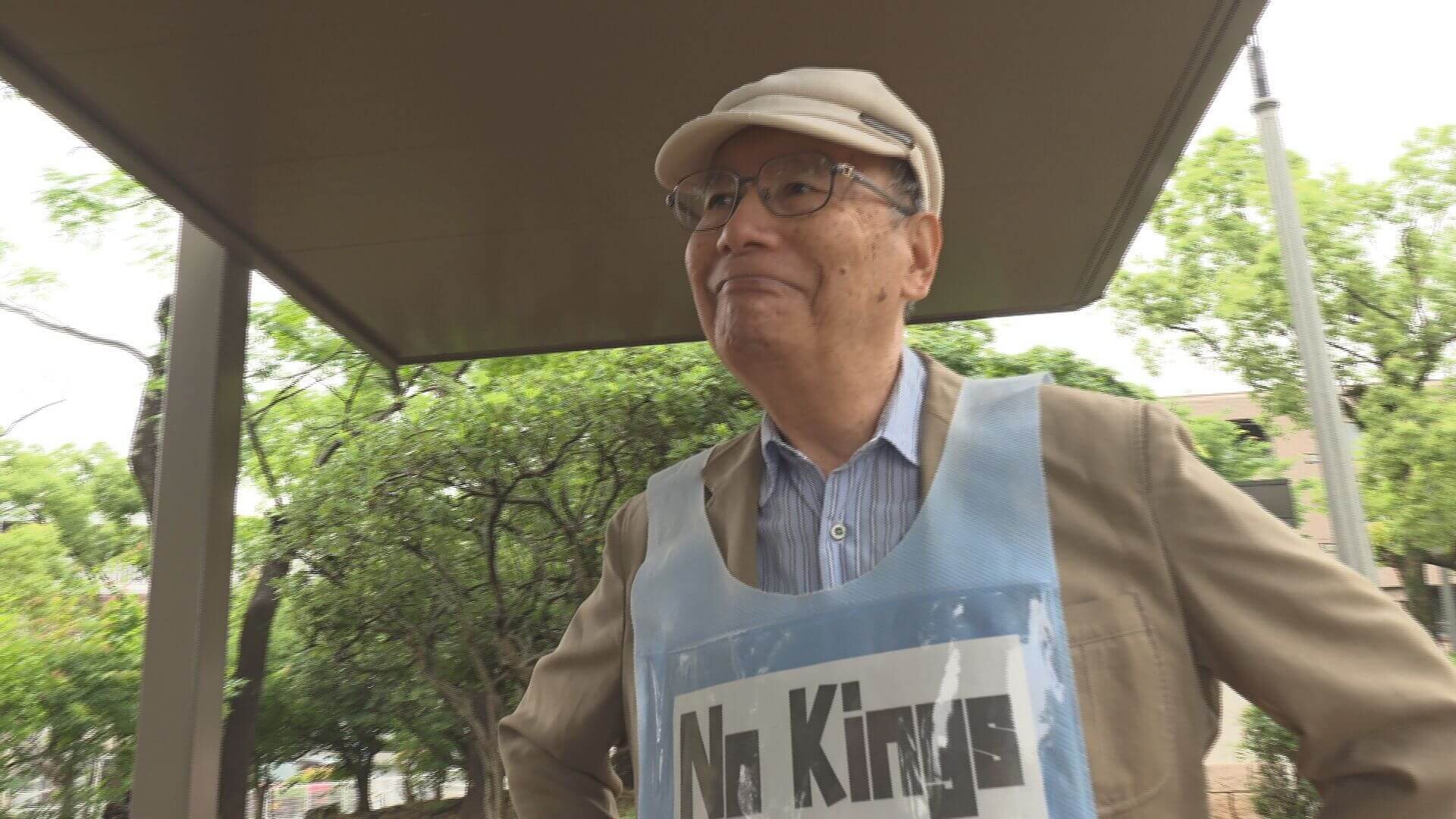
ゲスト:山川剛さん
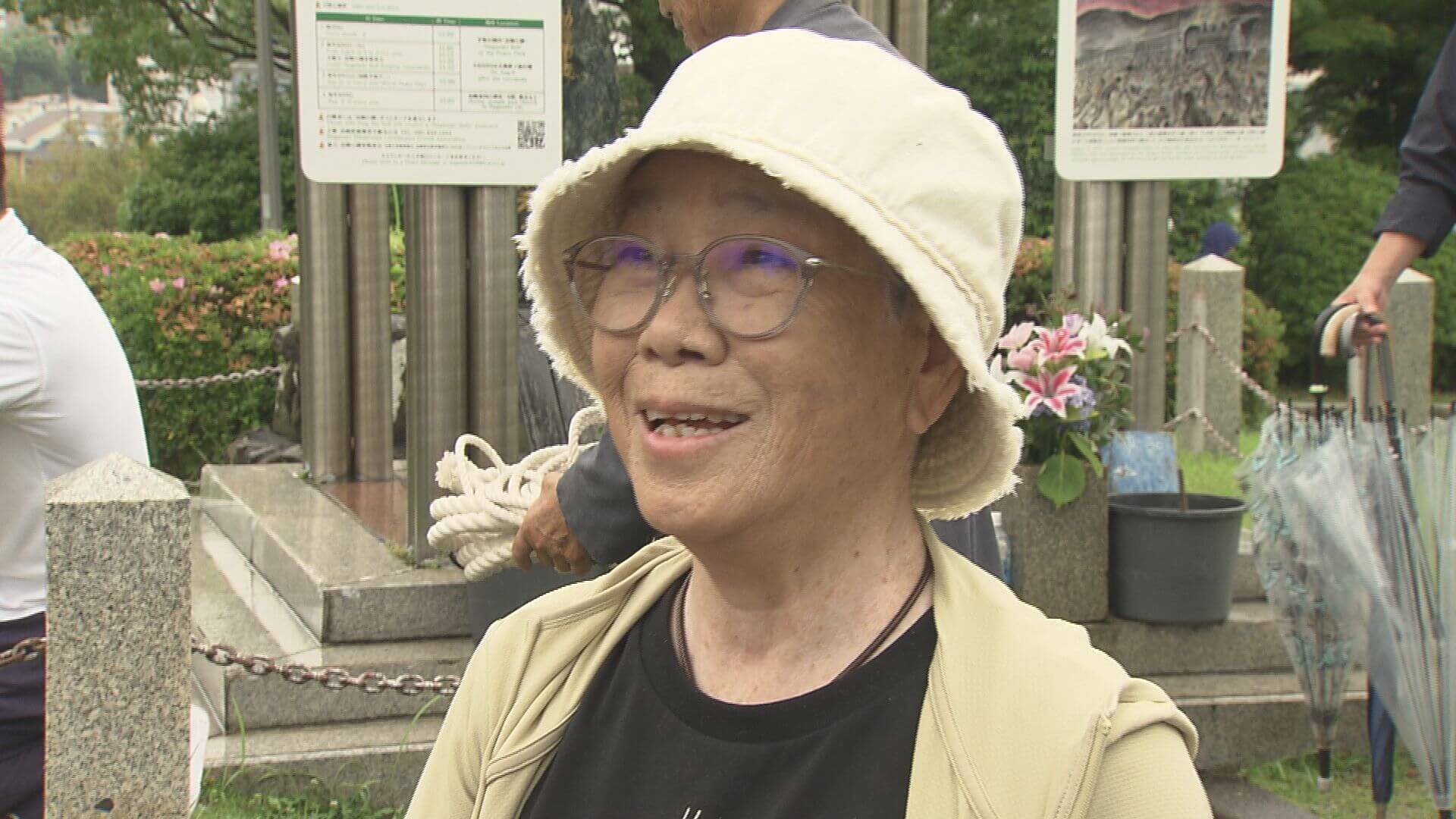
平和への誓い:本村チヨ子さん
平和宣言文
長 崎 平 和 宣 言
1945年8月9日、米軍機が投下した一発の原子爆弾は一瞬にして長崎のまちを破壊し、その年の終わりまでに人口の3分の2にあたる15万もの人々が死傷しました。
13歳で被爆した故・𠮷田勝二さんは、地獄のような惨状をこう語っています。
爆心地の方に向かうと黒焦げで炭化した人、目が飛び出ている人、内臓が飛び出した人、手足がない人たちが右往左往していた。浦上川にたどり着くと、ここも焼けただれた多くの人が、油と血と汚れた水、その水を飲みながら次々に亡くなっていった。私は、全身血だらけ、皮膚は剥がれ体の下の方にだらりとぶら下がっていた。顔も皮膚は付いていたものの、どす黒く焼け焦げていた。
𠮷田さんの顔には生涯消えることのない大きな火傷の痕(あと)が残り、周囲からの視線に苦しみ続けました。辛うじて死を免れた人々も、心身に深い傷を負い、放射線の影響でがんなどが発症することへの不安と恐怖を一生抱え続けています。
今、地球上に存在する核弾頭は、1万2千発以上。
なぜ、これほど残酷な兵器に固執する国があるのでしょうか。
国際社会に蔓延(まんえん)する相互不信と対立・分断を背景に、大国の「力による支配」が横行しています。核保有国が当事者となったウクライナや中東の紛争も未だ予断を許さない状況です。さらには、核兵器の近代化や増強など、核軍縮に逆行する動きが加速しています。こうして、相互不信と対立・分断を一層深刻化させる悪循環に陥っているのです。
これは、核兵器不拡散条約(NPT)再検討会議が核軍縮に向けた成果文書を3回連続で採択できなかったことでも浮き彫りになっています。
核兵器に依存する国は、核兵器を実際に使用しなくても、保有することで他国に攻撃を思いとどまらせることができるという「核抑止論」を主張します。しかし、戦争という極限状況の中で自国の存亡を懸けた究極の判断を迫られたとき、それでもなお「核のボタン」を押さないと、誰が言い切れるのでしょうか。
広島・長崎への原爆投下は、人間が人間への核兵器使用という一線すら越えてしまう現実を突きつけました。
人間の命も尊厳も木(こ)っ端(ぱ)微塵(みじん)に破壊する核兵器の威力を身をもって知る被爆者や被爆地は、その体験から確信をもって訴えます。
核抑止論は、極めて危うい。核兵器は「必要悪」ではなく「絶対悪」であり、人類と核兵器は決して共存できない、と。
一つの地球に暮らす「地球市民」の皆さん。平和な世界をつくるために、私たちにはできることがあります。
「平和の原点は、人間(ひと)の痛みがわかる心を持つこと。」
これは𠮷田さんが被爆体験を語るとき、いつも伝えていた言葉です。
相手の立場や苦しみに心を寄せ、分かり合おうと努力することは、対立や衝突を避けるための大事な一歩となります。それが人と人、国と国、それぞれの場面で信頼を育み友好関係を築く礎になるのです。
𠮷田さんの言葉を心に刻み、行動につなげていきましょう。
すべての国の指導者の皆さん。国連憲章の理念に基づく多国間主義と「法の支配」を早急に取り戻してください。人間の尊厳と基本的人権を守り、国際協調を通じて恒久平和と人類共通の繁栄を実現するという国連創設時の精神に立ち返ってください。
核保有国と核抑止力に依存する国の指導者の皆さん。核抑止力に頼れば頼るほど、核戦争の危険もまた高まる現実を直視すべきです。NPTの義務を履行し、核軍縮に向け着実に前進することを強く求めます。
とりわけ日本政府は、今年初めて開催される核兵器禁止条約再検討会議に参加し、唯一の戦争被爆国としての歴史的使命を全うすべきです。不戦の決意が込められた日本国憲法の平和の理念と非核三原則を堅持し、国際社会の緊張緩和と軍縮に向けた外交を強化してください。北東アジア非核兵器地帯の実現などを通じて、核兵器に頼らない安全保障政策への転換を求めます。
さらに、平均年齢が86歳を超えた被爆者への援護の充実と、未だ被爆者と認められていない被爆体験者の一刻も早い救済を強く要請します。
原子爆弾で亡くなられた方々とすべての戦争犠牲者に、心から哀悼の誠を捧げます。
被爆者の声を直接聞くことのできる今だからこそ、未来へ向けて被爆の記憶と被爆者の思いをしっかりと受け継いでいきます。
「長崎を最後の被爆地に」。この誓いを永遠の事実とするために、長崎は世界中の平和を求める人々と連帯し、核兵器廃絶と世界恒久平和の実現に向けて、決してあきらめず歩み続けていくことをここに宣言します。
2026年(令和8年)8月9日
長崎市長 鈴木 史朗
English
Nagasaki Peace Declaration
On August 9th, 1945, a single atomic bomb dropped by a U.S. Army Air Forces bomber devastated the city of Nagasaki in a moment, with the casualty count amounting to 150,000, or two-thirds of the city's population, by the end of that year.
The late Mr. YOSHIDA Katsuji, who was exposed to the atomic bomb at the age of 13, described this hellish tragedy as follows:
"While I was walking toward the hypocenter, I saw people with their bodies charred and blackened, those with their eyeballs bulging out, those with their internal organs spilling out, and those missing limbs, all wandering around in confusion. When I reached the Urakami River, I saw many people suffering severe burns dying one after another while drinking the oil- and blood-contaminated river water. I myself was completely covered in blood, with my skin peeling off and hanging limply from my body. Although the skin on my face still remained attached, it was burnt and charred black."
Mr. Yoshida was left with a large scar from the burns on his face for the rest of his life, and he continued to suffer from the stares of those around him. Even those who narrowly escaped death have suffered deep physical and mental wounds, and are forced to live with the worry and fear of the effects of radiation exposure, including the onset of cancer or other diseases.
Currently, more than 12,000 nuclear warheads exist on Earth.
Why are some countries so obsessed with possessing such brutal weapons?
Against a backdrop of mutual distrust, confrontation, and division which permeates the international community, the rule of force has run rampant amongst the major powers. What will happen in the conflicts in Ukraine and the Middle East, where nuclear states are involved, still remains unpredictable. Furthermore, trends running counter to nuclear disarmament, including the modernization and enhancement of nuclear weapons, are accelerating. These factors further fuel a vicious cycle of even greater mutual distrust, confrontation, and division.
This is illustrated clearly by the fact that now, three consecutive Review Conferences of the Parties to the Treaty on the Non-Proliferation of Nuclear Weapons (NPT) have failed to adopt a final document toward nuclear disarmament.
Countries that rely on nuclear weapons advocate the theory of nuclear deterrence, arguing that by possessing nuclear weapons they can deter other countries from attacking them, even if they do not use those weapons. However, in an extreme wartime situation, when urged to make a decision that could determine the very survival of their own nation, who can affirm that they would never press the "nuclear button"?
The atomic bombings of Hiroshima and Nagasaki confronted the world with the reality that humans can cross the line to use nuclear weapons against other humans.
The hibakusha and the atomic-bombed cities experienced first-hand that the destructive power of nuclear weapons could rip both human life and dignity to shreds. Based on this experience, the hibakusha and the atomic bombing sites affirm with absolute conviction:
The theory of nuclear deterrence is extremely dangerous and fragile. Nuclear weapons are not a "necessary evil" but an "absolute evil," and can never coexist with humanity.
To all global citizens who share this Earth, there is something we can do to create a peaceful world.
"Peace begins when we empathize with other people's pain."
This is what Mr. Yoshida used to say every time he shared with others his experience surviving the atomic bombing.
Empathizing with the perspective and suffering of others, and trying to understand one another, are a significant step towards avoiding confrontation and conflict. It serves as a foundation for fostering trust and building friendships, both between people and between countries.
Let us take Mr. Yoshida's words to heart and put them into action.
To all the national leaders of the world, please act with urgency to restore multilateralism and the rule of law, in accordance with the values of the United Nations Charter. Please return to the United Nations' founding spirit of protecting human dignity and fundamental human rights, as well as achieving lasting peace and the shared prosperity of all humanity through international cooperation.
To all leaders of the nuclear states and nations relying on nuclear deterrence, you must face the reality that the more you rely on nuclear deterrence, the more you increase the risk of a nuclear war. I strongly urge you to fulfill your obligations under the NPT and take steady steps toward nuclear disarmament.
In particular, the Japanese government must attend the first Review Conference of the Treaty on the Prohibition of Nuclear Weapons to be held later this year, and fulfill its historical responsibility as the only country to have suffered atomic bombings in war. I call on the government to uphold the ethos of peace enshrined in the Japanese Constitution, which embodies a determination to forever renounce war, as well as the country's Three Non-Nuclear Principles. In addition, I call for the strengthening of diplomatic efforts towards disarmament and the easing of tension in the international community. I also request that the government shift to a security policy that does not rely on nuclear weapons, through such measures as realizing the Northeast Asia Nuclear-Weapon-Free Zone.
Furthermore, I strongly urge the Japanese government to provide enhanced support for the hibakusha, whose average age now exceeds 86, and offer relief as soon as possible to those who experienced the atomic bombing but have not yet been officially recognized as hibakusha.
I would like to express my deep sorrow for all those who lost their lives in the atomic bombings, and all the victims of war.
We are now in a critical moment where we can still listen directly to the voices of the hibakusha. Therefore, we are determined to hand down the memories of the atomic bombings and the thoughts of the hibakusha to future generations.
Nagasaki must remain the last atomic bombing site. In order to turn this resolve into an eternal reality, I hereby declare that Nagasaki will work in solidarity with the peace seekers of the world to persevere in our movement towards the total abolition of nuclear weapons and the realization of everlasting world peace.
SUZUKI Shiro
Mayor of Nagasaki
August 9, 2026